Your cart is currently empty!
For Orders please email admin@filament.com.ng or whatsapp +2348037793962
Sale!
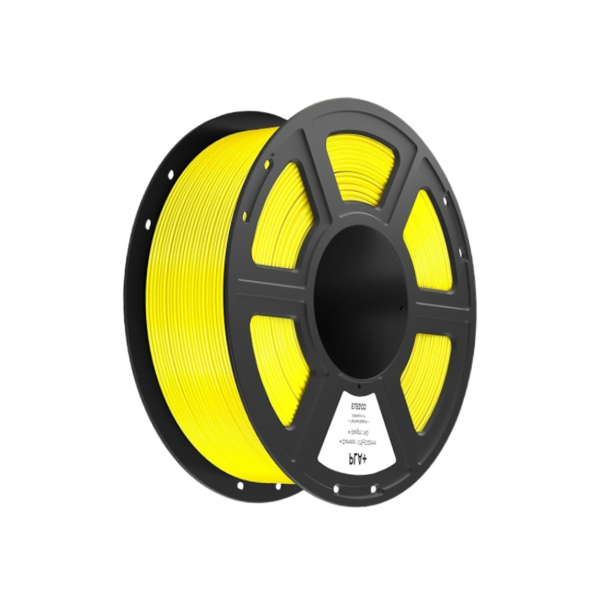
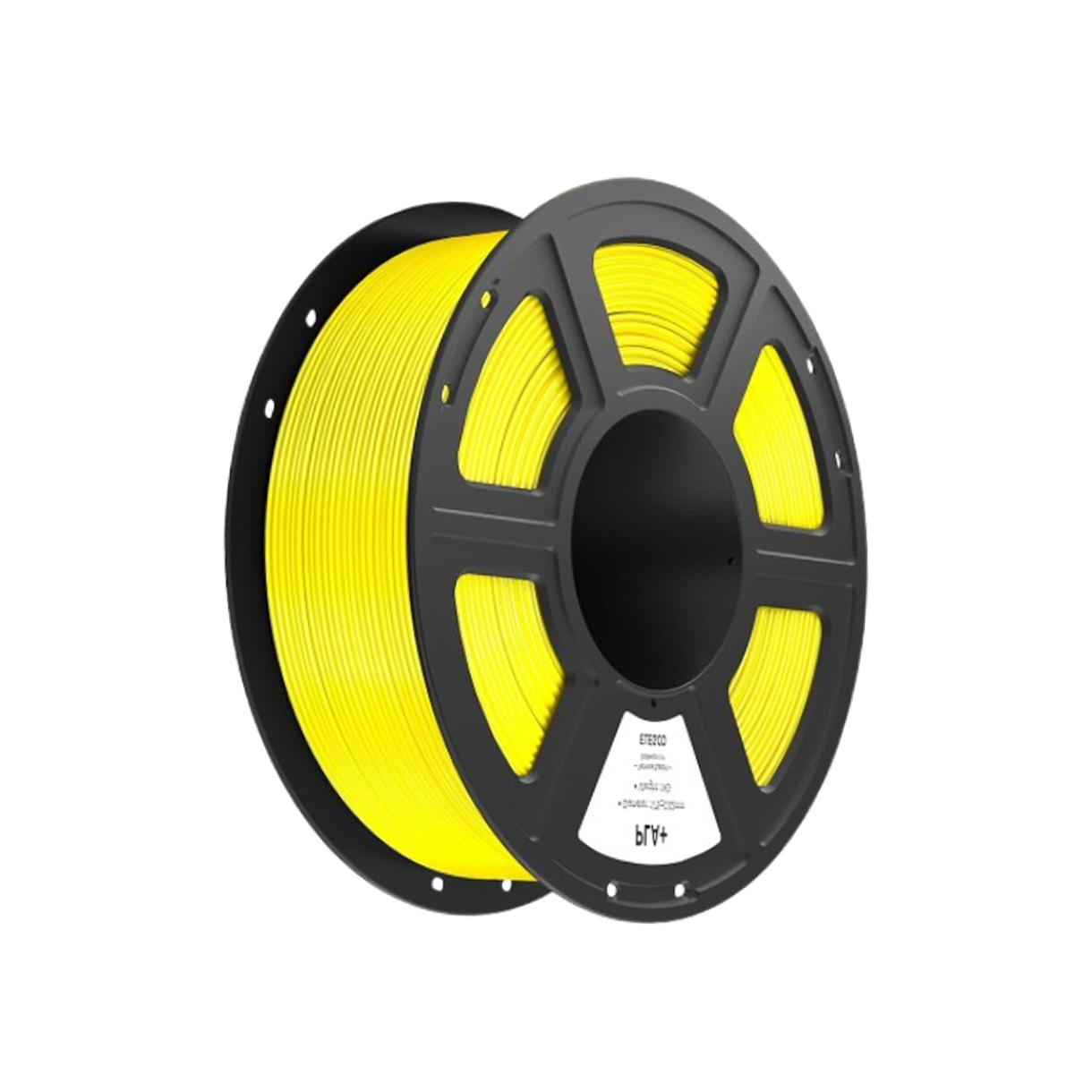
PLA
Original price was: ₦42,000.00.₦40,000.00Current price is: ₦40,000.00.
PLA is the most popular and user-friendly material for Fused Deposition Modeling (FDM) 3D printing, especially for beginners. It is a biodegradable thermoplastic derived from renewable resources like corn starch or sugarcane. 1. Material Properties & Characteristics Property Specification / Value Description & Implication Material Type Thermoplastic Polymer (Polylactic Acid) A plastic that becomes malleable…
1 in stock
Description
PLA is the most popular and user-friendly material for Fused Deposition Modeling (FDM) 3D printing, especially for beginners. It is a biodegradable thermoplastic derived from renewable resources like corn starch or sugarcane.
1. Material Properties & Characteristics
| Property | Specification / Value | Description & Implication |
|---|---|---|
| Material Type | Thermoplastic Polymer (Polylactic Acid) | A plastic that becomes malleable when heated and solidifies upon cooling. |
| Origin | Bio-based & Biodegradable | Made from renewable resources (e.g., corn, tapioca). Biodegrades under industrial composting conditions (not typically in home compost). |
| Print Difficulty | Easy (Beginner-Friendly) | Excellent bed adhesion, low warping, and easy to print with a basic setup. |
| Tensile Strength | ~50 MPa (Megapascals) | Relatively strong but rigid. More brittle than ABS or PETG. It will snap rather than bend under high stress. |
| Glass Transition Temp (Tg) | 60°C – 65°C (140°F – 149°F) | The temperature at which the material begins to soften. Not heat-resistant. Parts will deform in a hot car or in direct sunlight. |
| Density | ~1.24 g/cm³ | Slightly denser than ABS (1.04 g/cm³). This means a 1kg spool will have slightly less length than a 1kg spool of ABS. |
| Shrinkage / Warping | Very Low (< 0.5%) | Minimal warping during cooling makes it ideal for large prints and printers without an enclosed build chamber. |
| Odor When Printing | Sweet, Semi-Sweet (like burnt sugar) | Virtually no unpleasant fumes, making it safe for well-ventilated indoor use. |
| Solubility | Not Soluble | Does not dissolve in common solvents like acetone (unlike ABS, which can be acetone-smoothed). |
| Biodegradability | Yes (under specific conditions) | Requires industrial composting facilities (high temperatures and specific microbes). Will not degrade significantly in a landfill. |
2. Printing Specifications & Parameters
These are general starting points. Always refer to the manufacturer’s recommendations on the spool and perform calibration tests.
| Parameter | Recommended Range | Notes |
|---|---|---|
| Nozzle Temperature | 190°C – 220°C | Start at 205°C and adjust. Lower temps for better detail, higher temps for better layer adhesion. |
| Heated Bed Temperature | 50°C – 70°C | 60°C is a great starting point. Not strictly necessary for adhesion but highly recommended. |
| Print Bed Surface | Blue Painter’s Tape, PEI Sheet, Glass with adhesive (e.g., glue stick, hairspray) | Adheres very well to a variety of surfaces. |
| Print Speed | 40 – 80 mm/s | 50 mm/s is a reliable standard speed. High-quality prints can be achieved at lower speeds (30-40 mm/s). |
| Fan Cooling | 100% (always on after first layer) | Crucial for PLA. Excellent cooling is required for sharp details and to prevent oozing. |
| Retraction Distance | 0.5 – 2.0 mm (Direct Drive) | Essential to prevent stringing and oozing. Adjust based on your extruder type. |
| 2.0 – 5.0 mm (Bowden Setup) | ||
| Retraction Speed | 25 – 45 mm/s | A faster retraction speed can help effectively pull molten filament back. |
| Layer Height | 0.1 – 0.3 mm | Standard quality: 0.2mm. High detail: 0.1mm-0.15mm. Draft: 0.28mm-0.3mm. |
| Flow / Extrusion Multiplier | 95% – 100% | Usually perfect at 100%, but can be calibrated for dimensional accuracy. |
3. Filament Physical Specifications (Spool Standards)
| Specification | Standard | Description |
|---|---|---|
| Diameter | 1.75 mm or 2.85 mm (aka 3mm) | 1.75mm is the most common by far. Always check your printer’s compatibility. |
| Diameter Tolerance | ± 0.02 mm or ± 0.03 mm | High-quality filament has a very consistent diameter. Poor tolerance causes extrusion issues. |
| Spool Weight | 1 kg (most common), 0.5 kg, 2 kg, 3 kg | The net weight of the filament itself, not including the spool. |
| Spool Types | Cardboard, Plastic, Reusable | Cardboard is eco-friendly but can weaken. Plastic is durable and sealed against moisture. |
4. Post-Processing & Finishing
-
Sanding: Very easy. Start with coarse grit (e.g., 200) and move to fine grit (e.g., 800+).
-
Gap Filling: Use hobby fillers (e.g., Bondo spot putty) or wood filler.
-
Painting: Primers (spray or brush-on) adhere excellently to PLA. Can then be painted with acrylics or enamels.
-
Smoothing: Difficult. Unlike ABS, it is not chemically smoothable. Techniques include:
-
Sanding and Polishing: Manual, effective, but labor-intensive.
-
Epoxy Coating (e.g., XTC-3D): Creates a smooth, hard shell.
-
Heat Gun: Risky; can easily melt and deform details.
-
5. Common Applications & Use Cases
-
Concept Models & Prototyping: Fast, easy, and looks great.
-
Display Models & Figurines: Excellent for high-detail, decorative objects.
-
Educational Projects: Safe and easy to use in classrooms.
-
Low-Stress Functional Parts: Tools, jigs, fixtures that aren’t exposed to heat or high mechanical stress.
-
Consumer Products: Toys, kitchen accessories, vases, and art.
6. Advantages & Disadvantages
| Advantages | Disadvantages |
|---|---|
| 👍 Easy to Print: Minimal warping, excellent bed adhesion. | 👎 Brittle: Low fracture resistance and poor impact strength. |
| 👍 Low Odor & Safe: Can be printed without an enclosure or special ventilation. | 👎 Low Heat Resistance: Can’t be used for parts near heat sources (e.g., car dashboards). |
| 👍 Biodegradable: Made from renewable resources. | 👎 Poor Weather/UV Resistance: Degrades and becomes more brittle when exposed to sunlight and moisture over time. |
| 👍 Wide Availability & Colors: Huge range of colors, blends (wood, metal), and specialty types (glow, silk). | 👎 Not Chemically Resistant: Can be degraded by some solvents and chemicals. |
| 👍 Produces Sharp Details and Aesthetic Prints. | 👎 Creeps (Deforms) under sustained mechanical load. |
7. Storage and Handling
-
Moisture Sensitivity: PLA is hygroscopic—it absorbs moisture from the air.
-
Symptoms of Wet Filament: Popping/hissing sound from the nozzle, steam, poor layer adhesion, stringing, and a frosted or bubbly appearance on the print.
-
Storage: Store in a sealed container with desiccant (silica gel). Use vacuum bags or dedicated dry boxes.
-
Drying: If wet, dry in a food dehydrator (ideal), a dedicated filament dryer, or a low-temperature oven (with great caution, as ovens often have inaccurate thermostats and can melt the spool). Typical drying: 40-45°C for 4-6 hours.
By understanding these specifications, you can reliably print high-quality PLA objects and choose the right material for your project.
Additional information
| Dimensions | 22 × 22 × 7 cm |
|---|---|
| Diameter | 1.75mm, 2.85mm |
| Weight | 750g |
Related products
-
PETG
Original price was: ₦46,000.00.₦43,000.00Current price is: ₦43,000.00. -
PDS + LightPass
Original price was: ₦56,000.00.₦52,000.00Current price is: ₦52,000.00. -
PDS + Non Light Pass
Original price was: ₦59,000.00.₦55,000.00Current price is: ₦55,000.00. -
Ultrafuse® TPU 95A (2.85mm)
₦52,000.00 -

Ultrafuse® TPU 64D (2.85mm)
₦55,000.00 -

Ultrafuse® PET (2.85mm)
₦55,000.00 -
Ultrafuse® PLA (2.85mm)
₦50,000.00