
Your cart is currently empty!
For Orders please email admin@filament.com.ng or whatsapp +2348037793962
Sale!
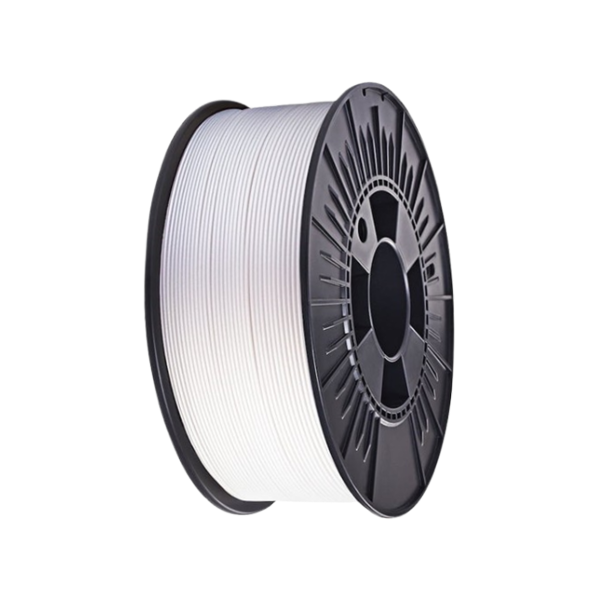


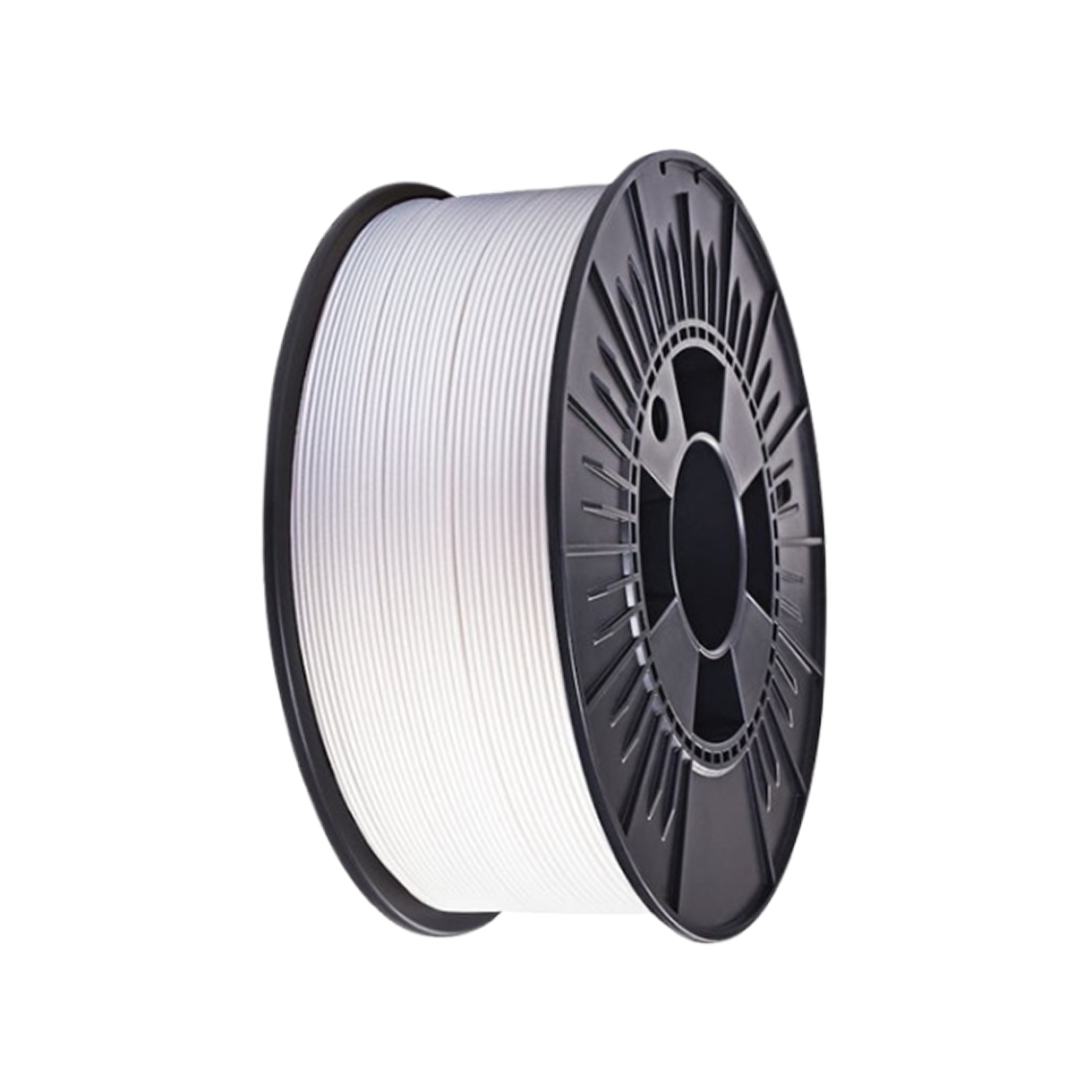


PETG
Original price was: ₦46,000.00.₦43,000.00Current price is: ₦43,000.00.
PETG 3D Printing Filament: Comprehensive Specifications PETG is a tremendously popular filament that strikes an excellent balance between the ease of printing of PLA and the strength and durability of ABS. It is a glycol-modified version of PET (the material used for water bottles), which gives it improved clarity, durability, and printability. 1. Material Properties…
10 in stock (can be backordered)
Description
PETG 3D Printing Filament: Comprehensive Specifications
PETG is a tremendously popular filament that strikes an excellent balance between the ease of printing of PLA and the strength and durability of ABS. It is a glycol-modified version of PET (the material used for water bottles), which gives it improved clarity, durability, and printability.
1. Material Properties & Characteristics
| Property | Specification / Value | Description & Implication |
|---|---|---|
| Material Type | Thermoplastic Polymer (Polyethylene Terephthalate Glycol-modified) | A durable and strong plastic known for its chemical resistance and toughness. |
| Origin | Petroleum-based (Not biodegradable) | A synthetic polymer, though recyclable (#1). |
| Print Difficulty | Intermediate | Easier than ABS, harder than PLA. Requires tuning to prevent stringing. |
| Tensile Strength | ~50 MPa (Similar to PLA) | However, it is much tougher and more impact-resistant. It flexes and bends rather than snapping. |
| Flexibility / Durability | High (Very Ductile) | Has excellent layer adhesion and is highly resistant to shattering. It will deform significantly before breaking. |
| Glass Transition Temp (Tg) | 80°C – 85°C (176°F – 185°F) | Higher heat resistance than PLA. Suitable for parts that will be in warm environments (e.g., a car interior). |
| Density | ~1.27 g/cm³ | Slightly denser than PLA. A 1kg spool will have slightly less length than a 1kg spool of PLA. |
| Shrinkage / Warping | Low (~0.5%) | Very minimal warping, though slightly more than PLA. Usually doesn’t require an enclosed printer. |
| Odor When Printing | Mild, Sweet (faint compared to ABS) | Generally considered low-odor and safe for use in a well-ventilated room. |
| Solubility | Not Soluble | |
| Chemical Resistance | Excellent | Highly resistant to water, acids, alkalis, and many oils and chemicals. Ideal for functional parts. |
2. Printing Specifications & Parameters
PETG requires a different approach than PLA. It likes to be printed hotter and slower.
| Parameter | Recommended Range | Notes |
|---|---|---|
| Nozzle Temperature | 230°C – 250°C | Much hotter than PLA. Start at 235°C. Higher temps improve layer adhesion but can increase stringing. |
| Heated Bed Temperature | 70°C – 80°C | Crucial for good adhesion. 75°C is a good starting point. |
| Print Bed Surface | PEI Sheet, Textured PEI, Garolite, Blue Tape | Warning: PETG can fuse to glass beds and rip out chunks. Use a glue stick or hairspray as a release agent on glass. |
| Print Speed | 30 – 60 mm/s | Slower than PLA. Printing slower improves layer adhesion and reduces stringing. 40-50 mm/s is reliable. |
| Fan Cooling | 20% – 50% | Crucial difference from PLA. Too much cooling weakens layer adhesion and can cause the print to fail. Use just enough to sharpen details. |
| Retraction Distance | 0.5 – 2.0 mm (Direct Drive) | Retraction is key to controlling stringing. Start low and increase gradually. |
| 2.0 – 5.0 mm (Bowden Setup) | Bowden setups require more retraction. | |
| Retraction Speed | 25 – 35 mm/s | A slower retraction speed can often be more effective than a very fast one for PETG. |
| Layer Height | 0.15 – 0.3 mm | Works well with standard layer heights. |
| Flow / Extrusion Multiplier | 95% – 98% | Often beneficial to slightly under-extrude. This helps prevent blobs, zits, and overly thick layers that can cause the nozzle to drag. |
3. Filament Physical Specifications (Spool Standards)
Identical to PLA.
-
Diameter: 1.75 mm (most common) or 2.85 mm
-
Diameter Tolerance: ± 0.02 mm or ± 0.03 mm (for quality filament)
-
Spool Weight: 1 kg (most common)
4. Post-Processing & Finishing
-
Sanding: Difficult. The material is gummy and can clog sandpaper. Use sharp blades for trimming.
-
Gap Filling: Use epoxy-based fillers or specific PET-based adhesives.
-
Painting: Requires a primer designed for plastics (e.g., acrylic spray primer). PETG’s chemical resistance makes adhesion challenging.
-
Gluing: Excellent. PETG parts can be welded together with Cyanoacrylate (Super Glue) or, even better, 2-part epoxy. The best method is using PETG slurry (a piece of filament dissolved in a small amount of limonene).
-
Smoothing: Can be smoothed with vapor polishing using limonene or tetrahydrofuran (THF), though these methods require significant safety precautions.
5. Common Applications & Use Cases
-
Functional Parts & Prototypes: Mechanical components, tools, jigs, and fixtures that require durability.
-
Chemical Containers & Parts: Lab equipment, cosmetic containers, and parts exposed to water or chemicals.
-
Outdoor & UV-Resistant Parts: While not perfectly UV-proof, it performs much better outdoors than PLA.
-
Electronic Enclosures: Durable and good electrical insulation properties.
-
Reusable Parts: Hinges, clips, and protective cases that need to withstand repeated stress.
6. Advantages & Disadvantages (vs. PLA)
| Advantages | Disadvantages |
|---|---|
| 👍 High Strength & Durability: Much tougher and more impact-resistant than PLA. | 👎 Stringing/Oozing: Prone to stringing; requires precise retraction and temperature tuning. |
| 👍 Excellent Layer Adhesion: Parts are very strong and less likely to delaminate. | 👎 Hygroscopic: Absorbs moisture from the air even more aggressively than PLA, leading to severe print quality issues if wet. |
| 👍 Good Chemical & Water Resistance: Ideal for functional parts. | 👎 “Bling” on Nozzle: Can build up carbonized residue on the nozzle, which may later drop onto the print. |
| 👍 Higher Heat Resistance: Suitable for warmer environments. | 👎 Gummy when Sanding: Difficult to post-process via sanding. |
| 👍 Low Warping: Easier to print than ABS on an open-frame printer. | 👎 Can Fuse to Build Surfaces: Known for sticking too well to glass, potentially damaging the surface. |
7. Storage and Handling
-
Moisture Sensitivity: Extremely Hygroscopic. This is PETG’s biggest weakness.
-
Symptoms of Wet Filament: Extreme stringing, oozing, poor layer adhesion, bubbly surface texture, and a “fuzzy” appearance on the print.
-
Storage: Must be stored in an airtight container with desiccant. This is non-negotiable for consistent results.
-
Drying: Essential if exposed to air. Use a food dehydrator (50-55°C for 4-6 hours) or a dedicated filament dryer. An oven is risky due to the low Tg of PETG.
Summary: PLA vs. PETG
-
Choose PLA for: Easy printing, high detail, display models, beginners, and indoor use.
-
Choose PETG for: Functional parts, durability, chemical/water resistance, outdoor use, and applications requiring higher temperature resistance.
Additional information
| Diameter | 1.75mm, 2.85mm |
|---|---|
| Weight | 1000g, 3000g |
Only logged in customers who have purchased this product may leave a review.
Related products
-
PLA
Original price was: ₦42,000.00.₦40,000.00Current price is: ₦40,000.00. -
TPU
Original price was: ₦48,000.00.₦44,000.00Current price is: ₦44,000.00. -
ABS
Original price was: ₦45,000.00.₦43,000.00Current price is: ₦43,000.00. -
PDS + LightPass
Original price was: ₦56,000.00.₦52,000.00Current price is: ₦52,000.00. -
PDS + Non Light Pass
Original price was: ₦59,000.00.₦55,000.00Current price is: ₦55,000.00. -

Ultrafuse® PET (2.85mm)
₦55,000.00 -
Ultrafuse® PLA (2.85mm)
₦50,000.00
Reviews
There are no reviews yet.