Your cart is currently empty!
For Orders please email admin@filament.com.ng or whatsapp +2348037793962
Sale!
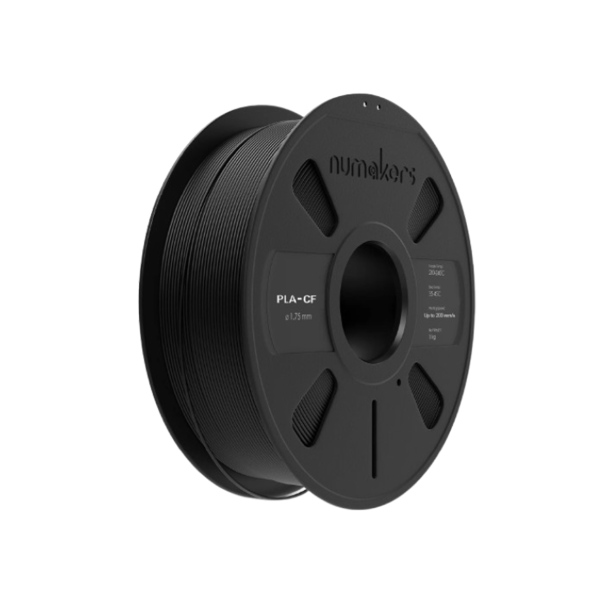

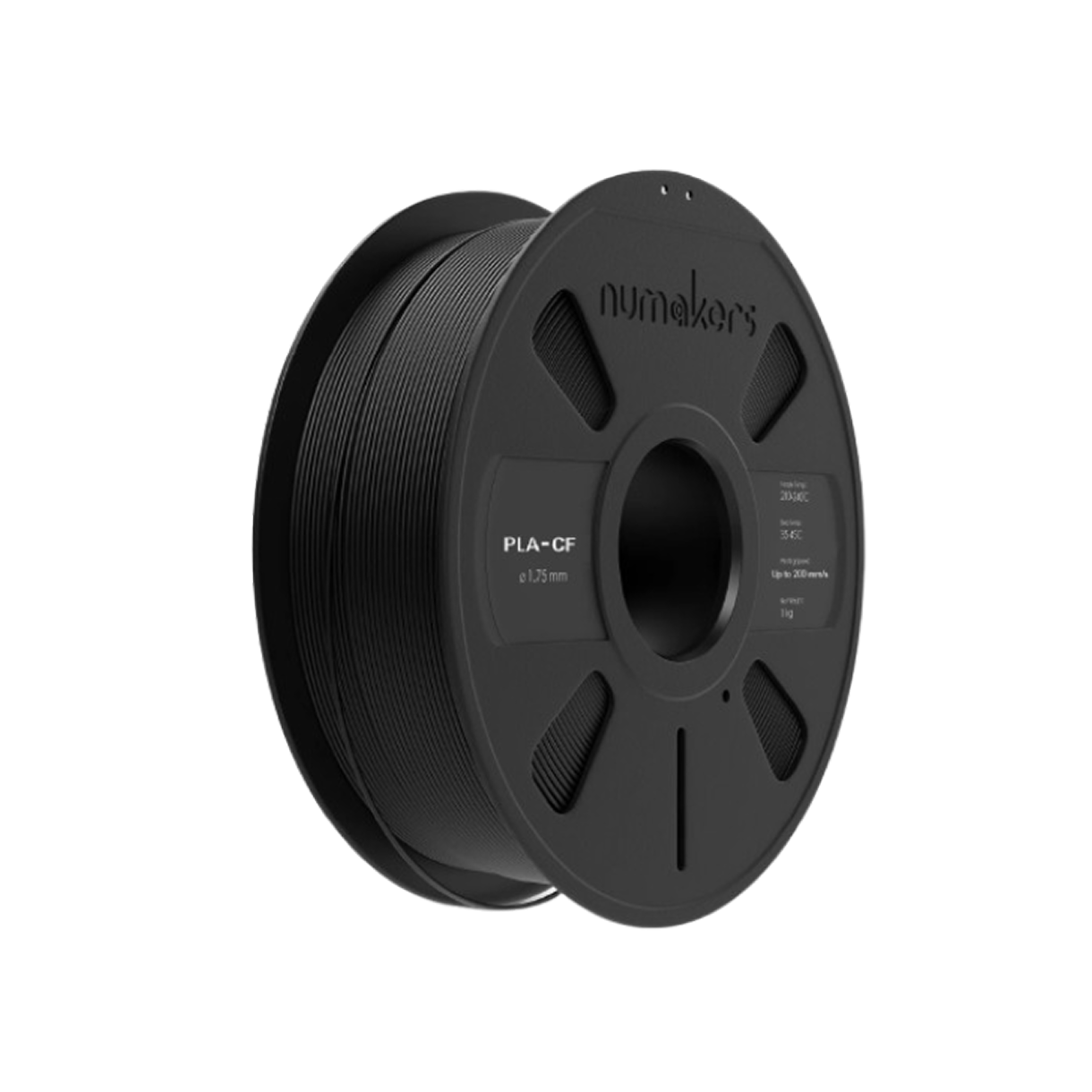
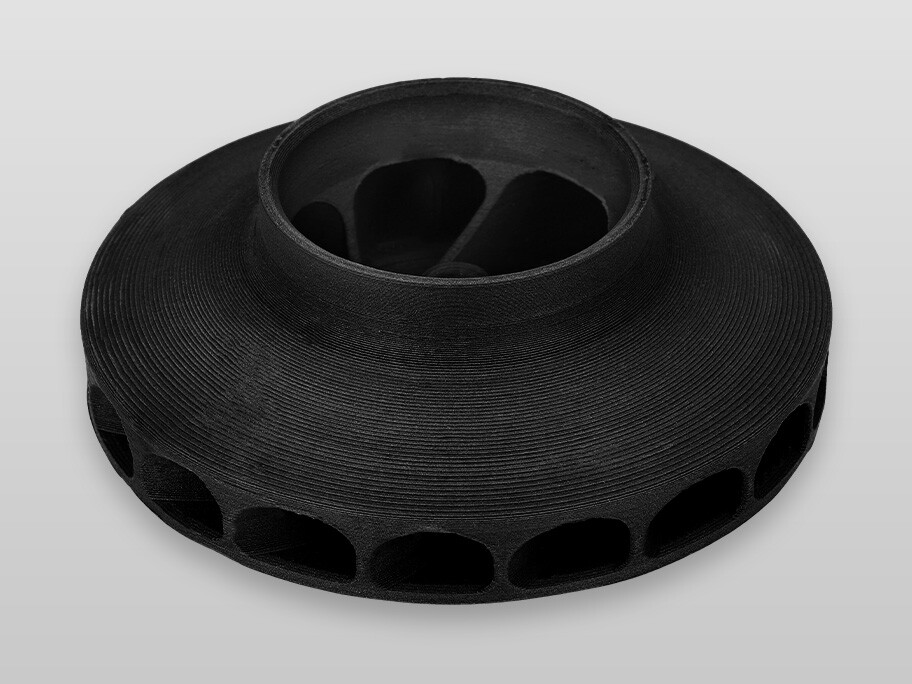
ABS
Original price was: ₦45,000.00.₦43,000.00Current price is: ₦43,000.00.
ABS 3D Printing Filament: Comprehensive Specifications ABS is a classic, tough thermoplastic known for its strength, durability, and heat resistance. It was one of the first materials widely used in 3D printing but has been surpassed in ease of use by PLA and PETG. It requires a more controlled printing environment. 1. Material Properties &…
8 in stock (can be backordered)
Description
ABS 3D Printing Filament: Comprehensive Specifications
ABS is a classic, tough thermoplastic known for its strength, durability, and heat resistance. It was one of the first materials widely used in 3D printing but has been surpassed in ease of use by PLA and PETG. It requires a more controlled printing environment.
1. Material Properties & Characteristics
| Property | Specification / Value | Description & Implication |
|---|---|---|
| Material Type | Thermoplastic Polymer (Acrylonitrile Butadiene Styrene) | A terpolymer known for its excellent mechanical properties and toughness. |
| Origin | Petroleum-based (Not biodegradable) | A synthetic polymer, very common in injection molding (e.g., LEGO bricks). |
| Print Difficulty | Difficult | Not recommended for beginners. Requires a controlled environment to manage warping and fumes. |
| Tensile Strength | ~40 MPa (Slightly lower than PLA/PETG) | However, it is extremely impact-resistant and ductile. It bends and deforms significantly before breaking. |
| Flexibility / Durability | Very High (Excellent Toughness) | The butadiene component provides superior impact resistance and mechanical durability over a wide range of temperatures. |
| Glass Transition Temp (Tg) | 105°C – 110°C (221°F – 230°F) | Significantly higher heat resistance than both PLA and PETG. Suitable for parts in hot environments (e.g., car engine compartments, hot electronics). |
| Density | ~1.04 g/cm³ | Less dense than PLA and PETG. A 1kg spool will yield more length. |
| Shrinkage / Warping | Very High (~0.8%) | This is ABS’s biggest challenge. It contracts significantly as it cools, leading to warping, lifting from the bed, and layer splitting. |
| Odor When Printing | Strong, Pungent, Toxic Fumes (Styrene) | Emits unpleasant and potentially harmful fumes (UFPs and VOCs). Mandatory ventilation or an enclosed printer is required. |
| Solubility | Soluble in Acetone, Esters, Ketones | This property allows for easy chemical smoothing and gluing. |
2. Printing Specifications & Parameters
Printing ABS successfully is all about managing heat and contraction.
| Parameter | Recommended Range | Notes |
|---|---|---|
| Nozzle Temperature | 230°C – 260°C | Requires high temperatures. Start at 240°C and adjust. |
| Heated Bed Temperature | 100°C – 110°C | A very hot bed is non-negotiable to combat warping and improve first-layer adhesion. |
| Print Bed Surface | ABS Slurry (best), Kapton Tape, PEI | ABS Slurry (ABS bits dissolved in acetone) painted on a glass bed is the gold standard for adhesion. |
| Print Speed | 40 – 70 mm/s | Can be printed at moderate speeds. |
| Fan Cooling | 0% (OFF) | Crucial difference. Cooling fans cause immediate warping and layer separation. Print in a stable, hot, enclosed environment instead. |
| Retraction Distance | 1.0 – 2.0 mm (Direct Drive) | Retraction settings are similar to PETG but less critical than managing heat. |
| 3.0 – 5.0 mm (Bowden Setup) | ||
| Retraction Speed | 30 – 40 mm/s | |
| Layer Height | 0.15 – 0.3 mm | |
| Flow / Extrusion Multiplier | 95% – 100% | |
| Chamber Temperature | 40°C – 60°C (Ideal) | An enclosed printer is highly recommended. A warm chamber drastically reduces thermal stress and warping. |
3. Filament Physical Specifications (Spool Standards)
Identical to PLA and PETG.
-
Diameter: 1.75 mm (most common) or 2.85 mm
-
Diameter Tolerance: ± 0.02 mm or ± 0.03 mm (for quality filament)
-
Spool Weight: 1 kg (most common)
4. Post-Processing & Finishing
-
Sanding: Easy. Sands to a smooth finish relatively easily.
-
Gap Filling: Can use ABS slurry or standard body fillers.
-
Painting: Takes paint very well. Use a primer for best results.
-
Gluing: Excellent. Parts can be seamlessly welded with Acetone or ABS cement (like for PVC pipes), creating incredibly strong bonds.
-
Smoothing (Vapor Polishing): Excellent. The key advantage of ABS. Fumes from Acetone gently melt the surface, smoothing layer lines and creating a glossy, professional finish. (Requires extreme safety precautions: ventilation, ignition control).
5. Common Applications & Use Cases
-
High-Temperature Functional Parts: Automotive components, parts near hot electronics, fittings for hot water/air.
-
Durable Enclosures & Housings: Tough, impact-resistant cases for tools and electronics.
-
Interlocking Parts & Prototypes: Hinges, gears, joints, and functional prototypes that need to withstand stress and strain.
-
Parts Requiring Smoothing: Any application where a glossy, injection-molded look is desired.
-
Legacy Use: Replacing broken parts originally made from ABS via injection molding.
6. Advantages & Disadvantages
| Advantages | Disadvantages |
|---|---|
| 👍 High Impact Strength & Toughness: Unmatched durability among common filaments. | 👎 Very High Warping: Difficult to print large parts without an enclosure. |
| 👍 Excellent Heat Resistance: Highest heat tolerance of the three (PLA, PETG, ABS). | 👎 Toxic Fumes (Styrene): Must be printed in a well-ventilated area or with an air filter. Not for home environments without precautions. |
| 👍 Chemical Smoothing with Acetone: Can achieve a perfect smooth, glossy finish. | 👎 Requires a Hot Bed and Enclosure: Not suitable for open-frame printers in cool or drafty rooms. |
| 👍 Easy to Glue and Paint: Can be chemically welded with acetone for incredibly strong bonds. | 👎 More Difficult to Print: Not beginner-friendly due to warping and fume issues. |
| 👍 Low Cost (Material): Relatively inexpensive raw material. | 👎 Can be Prone to Cracking/Splitting: If cooled too quickly, layers can delaminate. |
7. Storage and Handling
-
Moisture Sensitivity: Hygroscopic, but generally less so than PETG or Nylon. Moisture will still cause print quality issues like bubbling and poor layer adhesion.
-
Symptoms of Wet Filament: Bubbling/foaming at the nozzle, poor surface quality, and reduced layer strength.
-
Storage: Should be stored in a dry, sealed container with desiccant to prevent moisture absorption and maintain print quality.
-
Drying: Use a food dehydrator (70-80°C for 4-6 hours) or a dedicated filament dryer. An oven can be used more safely for ABS than for other materials due to its high Tg, but caution is still advised.
Summary: PLA vs. PETG vs. ABS
| Property | PLA | PETG | ABS |
|---|---|---|---|
| Print Difficulty | Easy | Intermediate | Difficult |
| Strength | Strong but Brittle | Tough and Impact-Resistant | Very Tough and Impact-Resistant |
| Heat Resistance | Poor (60°C) | Good (80°C) | Excellent (100°C+) |
| Durability | Low | High | Very High |
| Warping | Very Low | Low | Very High |
| Fumes | Sweet, Low | Mild, Low | Strong, Toxic (Ventilation Required) |
| Post-Processing | Sanding, Painting | Gluing, Vapor (Hard) | Smoothing (Acetone), Gluing |
| Best For | Models, Decor, Beginners | Functional Parts, Outdoor | Tough, Heat-Resistant Functional Parts |
Additional information
| Dimensions | 22 × 22 × 7 cm |
|---|---|
| Diameter | 1.75mm, 2.85mm |
| Weight | 700g, 2200g |
Related products
-
PLA
Original price was: ₦42,000.00.₦40,000.00Current price is: ₦40,000.00. -
TPU
Original price was: ₦48,000.00.₦44,000.00Current price is: ₦44,000.00. -
PDS + Non Light Pass
Original price was: ₦59,000.00.₦55,000.00Current price is: ₦55,000.00. -
Ultrafuse® TPU 95A (2.85mm)
₦52,000.00 -

Ultrafuse® TPU 64D (2.85mm)
₦55,000.00 -
Ultrafuse® ABS (2.85mm)
₦55,000.00 -

Ultrafuse® PET (2.85mm)
₦55,000.00