Your cart is currently empty!
For Orders please email admin@filament.com.ng or whatsapp +2348037793962
Sale!
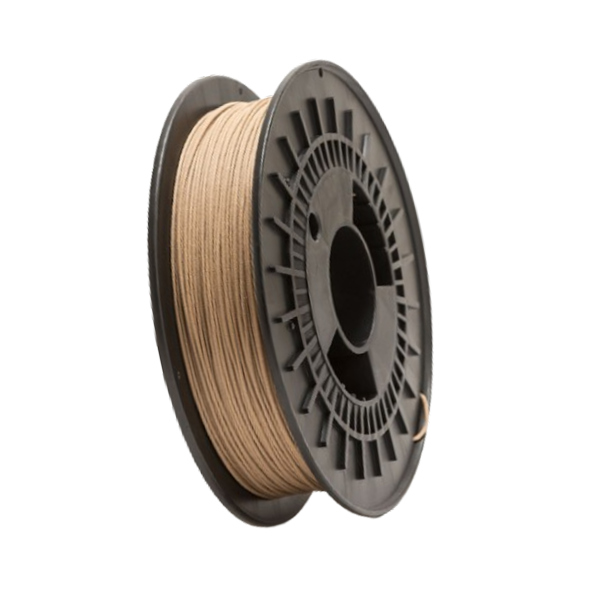

PDS + Non Light Pass
Original price was: ₦59,000.00.₦55,000.00Current price is: ₦55,000.00.
Overview: The Opaque Workhorse for Advertising While LightPass is for translucent, backlit applications, Non-LightPass materials (often brand names like DPR/Frigo/DIM on Massivit printers) are opaque, rigid, high-impact photopolymers. They are designed to be the final surface of the print, not just a shell for backlighting. The core value proposition remains the same: extremely fast production…
Available on backorder
Description
Overview: The Opaque Workhorse for Advertising
While LightPass is for translucent, backlit applications, Non-LightPass materials (often brand names like DPR/Frigo/DIM on Massivit printers) are opaque, rigid, high-impact photopolymers. They are designed to be the final surface of the print, not just a shell for backlighting.
The core value proposition remains the same: extremely fast production of very large, high-detail objects that are difficult or costly to make with traditional methods.
1. Technology & Material Specifications
-
Technology: Material Jetting (MJ) with the PolyDot System.
-
The process is identical: jetting droplets of material and curing them instantly with UV light. The speed and large format capabilities are unchanged.
-
-
The Materials (Non-LightPass):
-
These are typically opaque, acrylic-based photopolymer resins.
-
They come in a variety of base colors (e.g., white, gray, black) but are almost always painted or finished after printing.
-
Key Properties:
-
High Rigidity and Strength: They create durable, structural objects that can withstand handling at events.
-
High Resolution: Excellent surface detail and smoothness straight off the printer, superior to FDM.
-
Opaque: No light transmission, providing a solid, substantial feel perfect for direct painting.
-
Fast Curing: Instantly cured by UV lamps, allowing for very rapid print times.
-
-
2. The Advertising Workflow with Non-LightPass Materials
The workflow shifts from lighting integration to surface finishing.
Step 1: Design & 3D Model Creation
-
Create a 3D model of the asset (a character, a geometric logo, a product mockup).
-
Models can be solid or hollowed out with internal structures (infill) to save material and reduce weight while maintaining strength.
Step 2: Printing the Object
-
The model is printed using the opaque Non-LightPass material. The result is a large, rigid, and detailed object in a base color (usually white or gray).
Step 3: Post-Processing & Finishing (The Critical Phase)
-
Support Removal: Supports are printed in a gel-like, water-soluble material. The print is often placed in a water wash station to dissolve them easily, leaving a clean surface.
-
Sanding & Priming: The surface is sanded to remove any minor imperfections or “ribbing” from the printing process. It is then primed to create a perfect painting surface.
-
Painting & Detailing: This is where the magic happens. The object is hand-painted, airbrushed, or spray-painted with high-quality automotive or graphic arts paints. This allows for any color, brand-matching, gradient effects, wood/stone textures, and ultra-high-quality finishes.
-
Clear Coating: A protective clear coat (matte, satin, or gloss) is often applied to protect the paint job from UV fading and physical wear and tear.
-
Final Assembly: Large prints are assembled from parts. Mounting hardware is added.
3. Key Advantages for Advertising (Non-LightPass Focus)
| Advantage | Description |
|---|---|
| Superior Surface Finish | The surface is smoother than FDM out of the printer, requiring less preparatory work before painting. It can achieve a flawless, injection-molded or sculpted appearance. |
| Exceptional Durability | The finished objects are rigid, impact-resistant, and capable of surviving the rigors of cross-country shipping, trade show assembly, and public interaction. |
| Unmatched Creative Freedom | Any color, effect, or texture achievable with paint can be applied. This allows for perfect brand color matching and incredibly realistic finishes (metallic, chrome, carbon fiber, etc.). |
| Structural Integrity | Objects can be designed to be self-supporting and structural. You can create furniture, arches, and load-bearing display elements. |
| No Lighting Constraints | The focus is purely on the form and surface quality, making it ideal for objects that don’t require internal illumination. |
4. Common Applications in Advertising
This approach is used when the object itself is the star, not the light inside it.
-
Hyper-Realistic Product Replicas: Creating giant, incredibly detailed and painted replicas of products (e.g., a sports car tire, a video game controller, a bottle of champagne) that look real from a distance.
-
Character & Mascot Production: Building large-scale brand mascots, movie characters, or animated figures for events, parades, or retail displays.
-
Architectural Elements & Set Design: Creating large props, faux columns, decorative walls, and custom furniture for stage sets, showrooms, and exhibition stands.
-
3D Logos & Typography: Producing massive, solid-looking logos and letters that are painted in exact brand colors. They have a substantial, premium weight and presence.
-
Museum-Quality Replicas: Creating accurate replicas of artifacts, sculptures, or natural history objects for displays and interactive exhibits.
5. Comparison: LightPass vs. Non-LightPass for Ads
| Feature | LightPass | Non-LightPass |
|---|---|---|
| Primary Use | Glowing, illuminated displays | Solid, painted sculptures & props |
| Material Property | Translucent / Clear | Opaque |
| Key Finishing Step | Backpainting (inside) | Surface Painting (outside) |
| Lighting | Integrated Internal LEDs | External Lighting (spotlights, etc.) |
| Visual Effect | Luminous, vibrant glow from within | Premium, matte/glossy painted finish |
| Ideal For | Lightboxes, logos that need to glow, futuristic displays | Product replicas, characters, structural elements |
Conclusion
PDS with Non-LightPass materials is the industrial 3D printing solution for creating massive, high-quality, finished objects that need to withstand the commercial environment.
It replaces traditional techniques like hand-sculpting foam (which lacks detail and durability) or CNC machining (which has geometric limitations). Its value lies in its speed for large objects and the ability to achieve a flawless, paint-ready surface, allowing brands to deploy breathtaking, durable marketing assets faster than ever before. The final product is a premium, tangible object that commands attention through its physical presence and finish quality, not its glow.
Additional information
| Dimensions | 22 × 22 × 7 cm |
|---|---|
| Diameter | 1.75mm, 2.85mm |
Related products
-
PETG
Original price was: ₦46,000.00.₦43,000.00Current price is: ₦43,000.00. -
PLA
Original price was: ₦42,000.00.₦40,000.00Current price is: ₦40,000.00. -
PDS + LightPass
Original price was: ₦56,000.00.₦52,000.00Current price is: ₦52,000.00. -
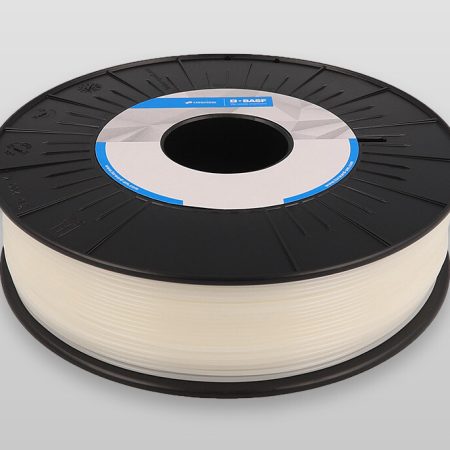
Ultrafuse® TPS 90A (2.85mm)
₦49,000.00 -
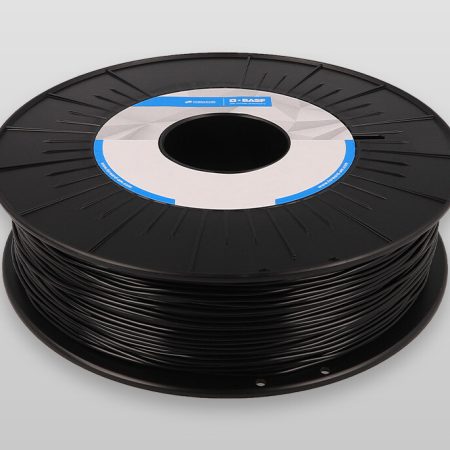
Ultrafuse® TPU 95A (2.85mm)
₦52,000.00 -

Ultrafuse® TPU 64D (2.85mm)
₦55,000.00 -
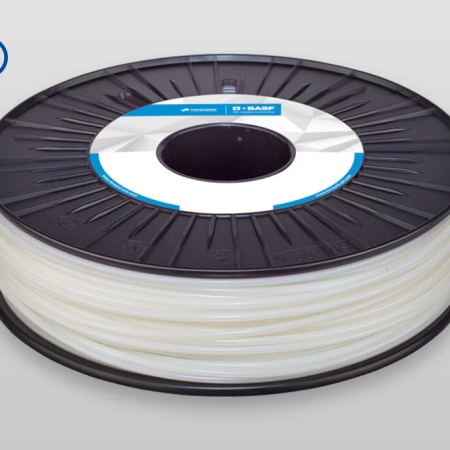
Ultrafuse® ABS (2.85mm)
₦55,000.00