Your cart is currently empty!
For Orders please email admin@filament.com.ng or whatsapp +2348037793962
Sale!
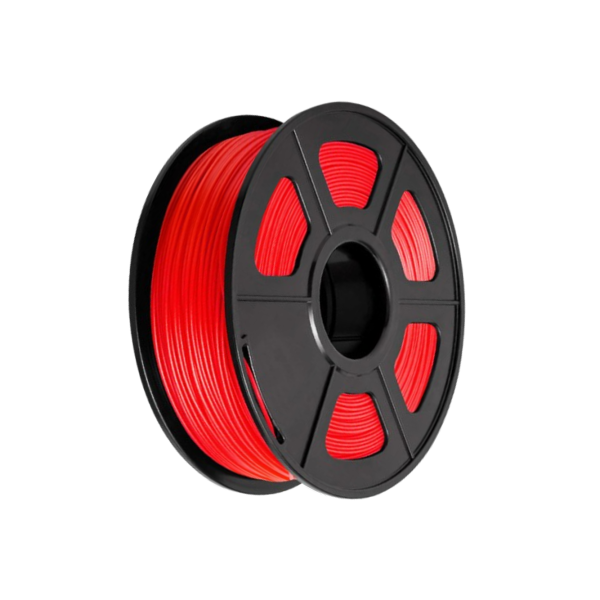
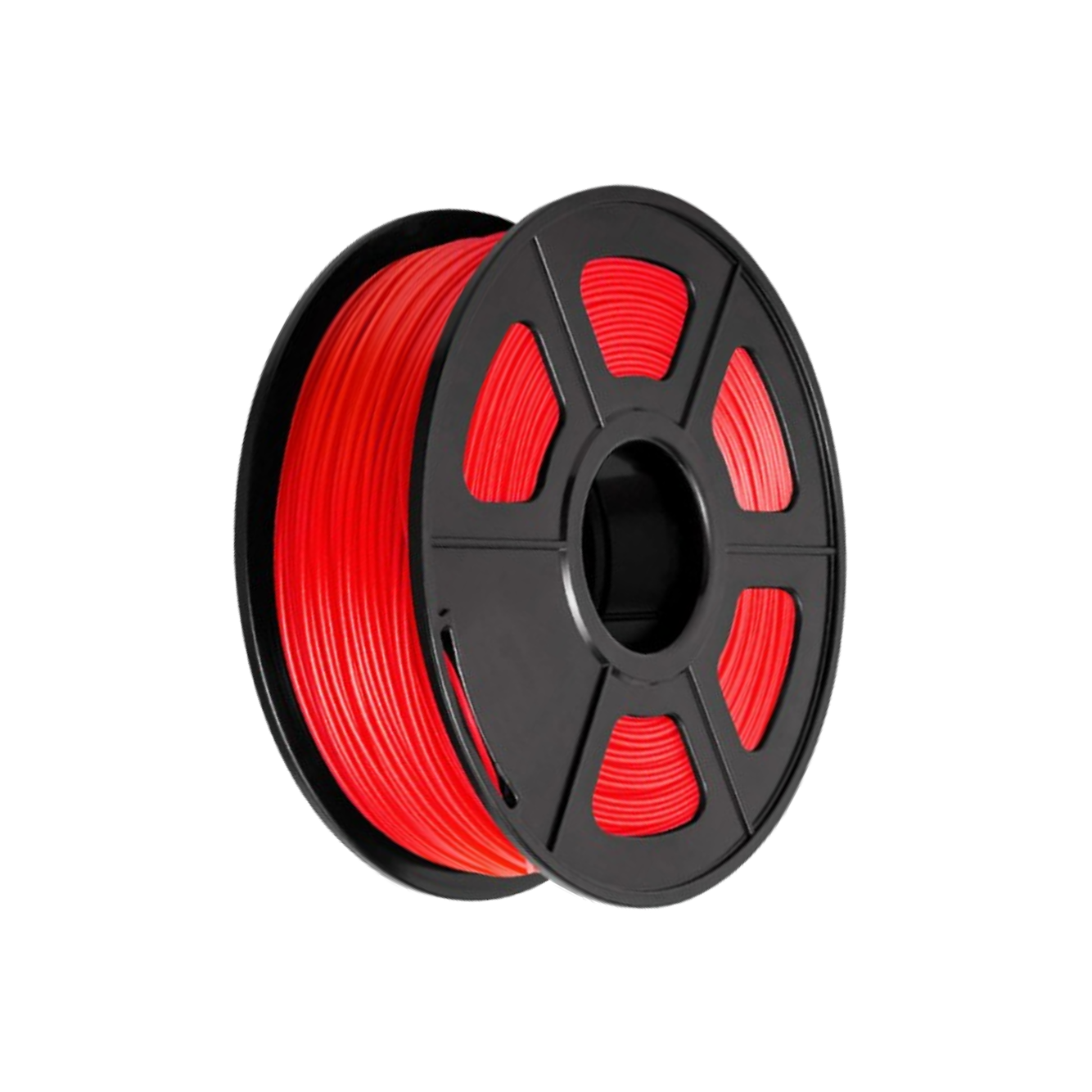
TPU
Original price was: ₦48,000.00.₦44,000.00Current price is: ₦44,000.00.
TPU 3D Printing Filament: Comprehensive Specifications TPU is a flexible and elastic thermoplastic, belonging to a broader class of materials known as TPEs (Thermoplastic Elastomers). It is renowned for its high abrasion resistance, shock absorption, and ability to be deformed and return to its original shape. 1. Material Properties & Characteristics Property Specification / Value…
4 in stock (can be backordered)
Description
TPU 3D Printing Filament: Comprehensive Specifications
TPU is a flexible and elastic thermoplastic, belonging to a broader class of materials known as TPEs (Thermoplastic Elastomers). It is renowned for its high abrasion resistance, shock absorption, and ability to be deformed and return to its original shape.
1. Material Properties & Characteristics
| Property | Specification / Value | Description & Implication |
|---|---|---|
| Material Type | Thermoplastic Elastomer (TPE) / Polyurethane | A class of copolymers that blend the properties of rubber (elasticity) and plastic (printability). |
| Origin | Petroleum-based (Not biodegradable) | A synthetic polymer. Some bio-based variants exist but are not common. |
| Print Difficulty | Intermediate to Difficult | Challenging on bowden setups due to flexibility. Much easier on direct drive extruders. |
| Flexibility / Hardness | 85A – 95A (Shore Hardness) | Softer variants (85A) are very flexible and rubbery. Harder variants (95A) are more rigid but still flexible. |
| Tensile Strength | ~30 – 50 MPa | Excellent tensile strength for a flexible material. It stretches significantly but is very difficult to break. |
| Abrasion Resistance | Extremely High | Far superior to PLA, PETG, or ABS. Ideal for parts that experience friction and wear. |
| Glass Transition Temp (Tg) | ~ -20°C to 0°C | Remains flexible even at very low temperatures. Becomes stiffer but doesn’t become brittle like other plastics. |
| Density | ~1.20 g/cm³ | Similar to PLA. |
| Shrinkage / Warping | Very Low | Minimal warping during cooling. |
| Odor When Printing | Mild, Sometimes “Plastic” Smell | Generally considered low-odor, but good ventilation is still recommended. |
| Chemical Resistance | Good | Resistant to oils, greases, and many solvents. Can be degraded by some strong acids, bases, and solvents. |
2. Printing Specifications & Parameters
Printing TPU is all about controlling extrusion and preventing friction in the extruder path. A Direct Drive extruder is highly recommended.
| Parameter | Recommended Range | Notes |
|---|---|---|
| Nozzle Temperature | 210°C – 230°C | Start at 220°C. Softer TPUs may require lower temps to prevent oozing. |
| Heated Bed Temperature | 30°C – 60°C | Not always necessary, but a heated bed (40°C) can improve first-layer adhesion. |
| Print Bed Surface | PEI Sheet, Blue Painter’s Tape, Glass + Glue Stick | Adhesion is rarely an issue. A glue stick can act as a helpful release agent. |
| Print Speed | 15 – 40 mm/s | SLOW. Printing slowly is critical to allow the flexible filament to be pushed consistently without buckling. |
| Fan Cooling | 50% – 100% | Important for bridging and overhangs. Can help set the filament quickly after extrusion. |
| Retraction | 0.5 – 1.5 mm (Direct Drive) | Use minimal to no retraction. Retraction can cause jams as the soft filament compresses. |
| 0 – 1.0 mm (Bowden – Risky!) | Retraction on a Bowden setup is very challenging and often causes more problems than it solves. | |
| Retraction Speed | 15 – 25 mm/s | Use a slow retraction speed if enabled. |
| Layer Height | 0.15 – 0.25 mm | Standard layer heights work well. |
| Flow / Extrusion Multiplier | 95% – 105% | Calibrate for dimensional accuracy. Slight over-extrusion can help with layer adhesion. |
| Extruder Gear Tension | As loose as possible | This is a critical hardware setting. The gear must be tight enough to grip but not so tight that it deforms the filament, causing jams. |
3. Filament Physical Specifications (Spool Standards)
-
Diameter: 1.75 mm (most common) or 2.85 mm. Consistency is critical.
-
Diameter Tolerance: ± 0.03 mm or better. Inconsistent diameter will cause major extrusion issues.
-
Spool Weight: 1 kg (most common), 0.5 kg.
-
Hardness: Always check the Shore A rating (e.g., 85A, 90A, 95A). This defines the flexibility.
4. Post-Processing & Finishing
-
Sanding: Very Difficult. The material is gummy and will clog sandpaper almost instantly.
-
Trimming: Use very sharp scissors, a scalpel, or a sharp utility knife.
-
Gluing: Excellent. Bonds very well with Cyanoacrylate (Super Glue), Flexible Epoxy, or specific Polyurethane Adhesives. The bond is often as strong as the material itself.
-
Painting: Requires a flexible primer and paint designed for plastics (e.g., acrylic paints). Rigid paints may crack when the part flexes.
5. Common Applications & Use Cases
-
Protective Cases & Covers: Phone cases, tool handles, lens covers.
-
Gaskets, Seals, and Washers: Replaces rubber parts; creates custom water/dust seals.
-
Wearable Items: Watch bands, bracelets, shoe insoles.
-
Dampeners and Shock Absorbers: Vibration mounts, feet for electronics, bumpers.
-
Functional Parts: Flexible hinges, tubing, hoses, and cable management.
-
Toy and Model Making: Tires, grippy feet, action figure accessories.
6. Advantages & Disadvantages
| Advantages | Disadvantages |
|---|---|
| 👍 High Flexibility & Elasticity: Returns to its original shape after deformation. | 👎 Difficult to Print: Requires a capable extruder (preferably Direct Drive) and careful tuning. |
| 👍 Exceptional Abrasion & Wear Resistance: | 👎 Prone to Jamming: Can buckle in the extruder or bowden tube if settings are incorrect. |
| 👍 Excellent Impact Strength & Shock Absorption: | 👎 Stringing and Oozing: Very stringy; requires meticulous temperature and retraction tuning. |
| 👍 Good Chemical and Oil Resistance: | 👎 Poor Bridging and Overhangs: The flexible nature makes bridging difficult. |
| 👍 Low Warping and Good Bed Adhesion: | 👎 Hard to Post-Process: Nearly impossible to sand or smooth mechanically. |
7. Storage and Handling
-
Moisture Sensitivity: Hygroscopic. Absorbs moisture from the air, which can lead to severe printing issues like poor layer adhesion, bubbling, and a porous, foamy surface texture.
-
Symptoms of Wet Filament: Extreme stringing, oozing, bubbles and pops at the nozzle, foamy extrusion, and a rough, porous print surface.
-
Storage: Must be stored in an airtight container with desiccant.
-
Drying: Essential if exposed to air. Use a food dehydrator (50-55°C for 4-6 hours) or a dedicated filament dryer. Do not use an oven, as low-temperature control is poor and can melt the spool.
Printer Requirements Summary:
-
Extruder Type: Direct Drive is highly recommended. Bowden setups can work with harder TPU (95A+) and extreme patience.
-
Extruder Path: A full all-metal (or direct) path from the drive gear to the nozzle is ideal. A PTFE tube in a bowden setup can create too much friction.
-
Nozzle: A standard brass nozzle is fine. Abrasion-resistant nozzles are not necessary for pure TPU.
Additional information
| Diameter | 1.75mm, 2.85mm |
|---|---|
| Weight | 350g, 750g |
Related products
-
ABS
Original price was: ₦45,000.00.₦43,000.00Current price is: ₦43,000.00. -
PDS + LightPass
Original price was: ₦56,000.00.₦52,000.00Current price is: ₦52,000.00. -
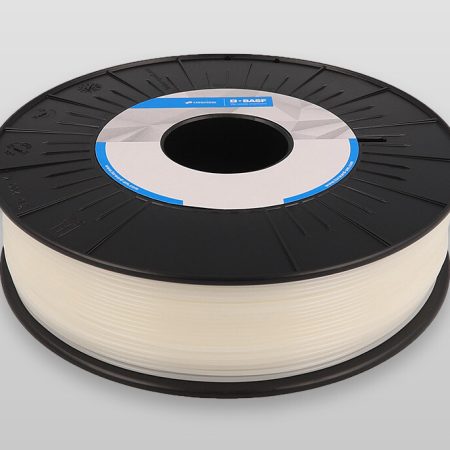
Ultrafuse® TPS 90A (2.85mm)
₦49,000.00 -
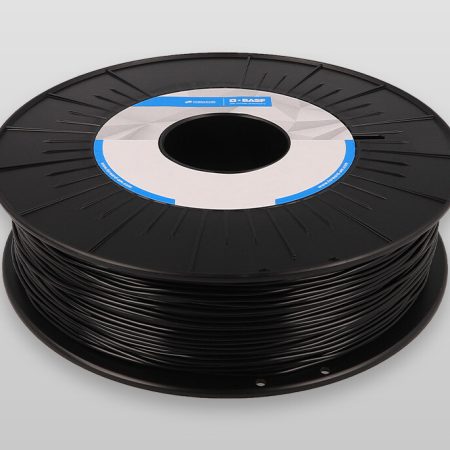
Ultrafuse® TPU 95A (2.85mm)
₦52,000.00 -

Ultrafuse® TPU 64D (2.85mm)
₦55,000.00 -
Ultrafuse® ABS (2.85mm)
₦55,000.00 -

Ultrafuse® PET (2.85mm)
₦55,000.00