Your cart is currently empty!
For Orders please email admin@filament.com.ng or whatsapp +2348037793962
Sale!
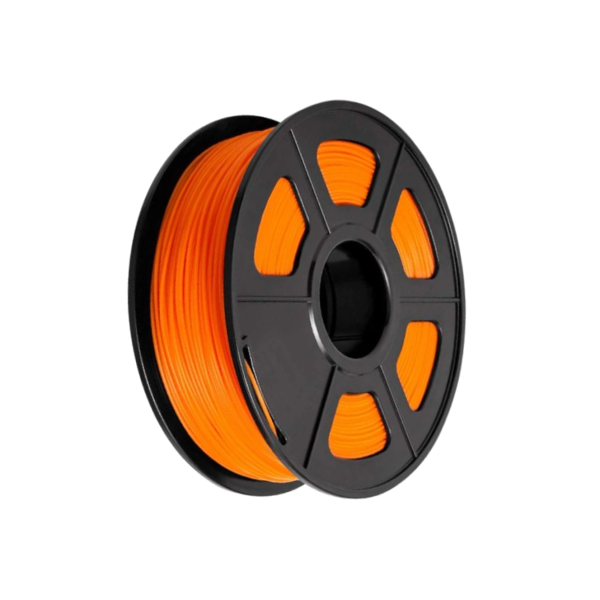
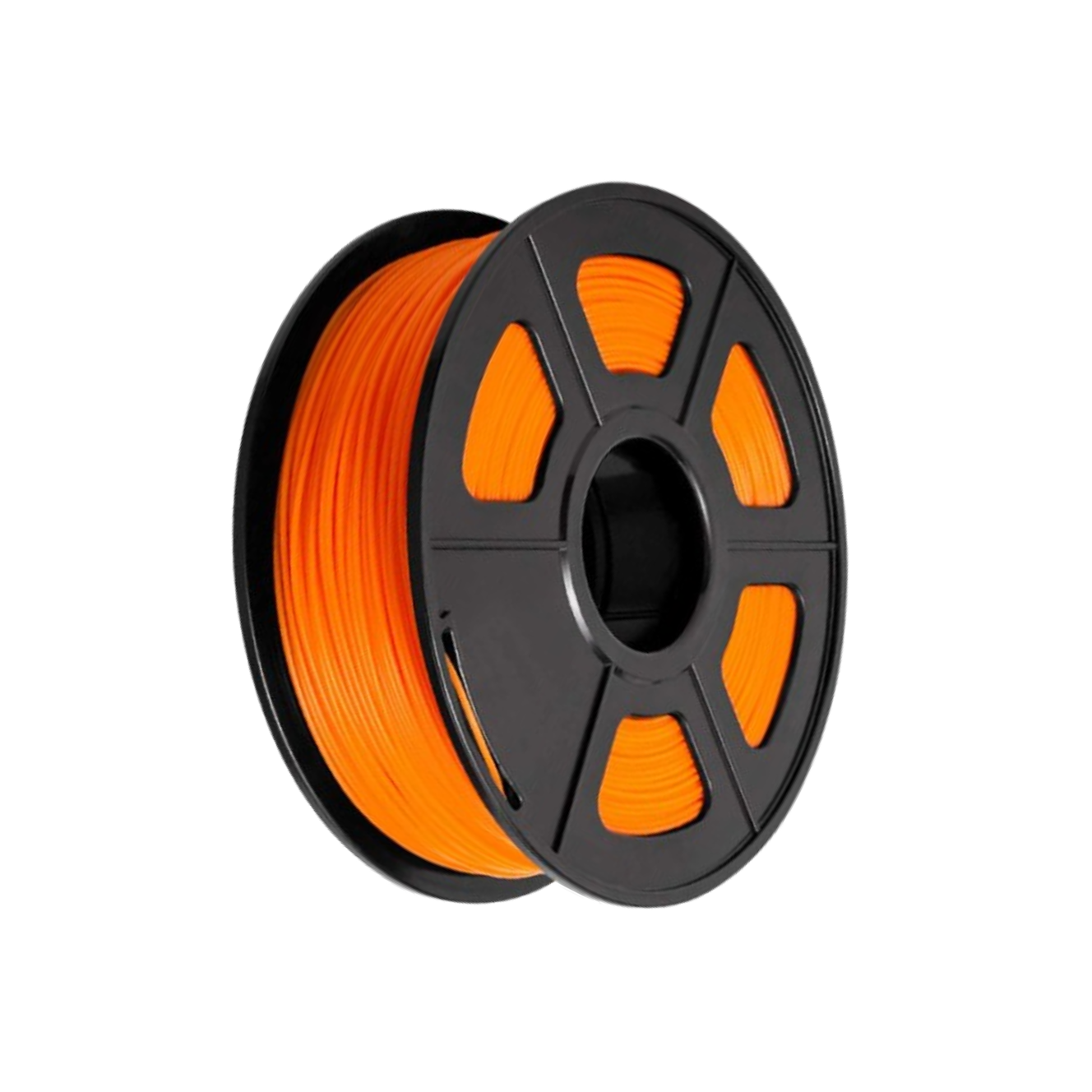
PDS + LightPass
Original price was: ₦56,000.00.₦52,000.00Current price is: ₦52,000.00.
Overview: From 3D Printing to Additive Manufacturing for Ads While FDM (what we use with PLA, PETG, etc.) is for prototyping and low-volume production, PDS + LightPass is an industrial-grade Material Jetting (MJ) technology from Massivit 3D designed for very large-format, high-speed printing. Its primary purpose is to create massive, eye-catching visual marketing assets. 1.…
5 in stock (can be backordered)
Description
Overview: From 3D Printing to Additive Manufacturing for Ads
While FDM (what we use with PLA, PETG, etc.) is for prototyping and low-volume production, PDS + LightPass is an industrial-grade Material Jetting (MJ) technology from Massivit 3D designed for very large-format, high-speed printing. Its primary purpose is to create massive, eye-catching visual marketing assets.
1. Technology Specifications: PDS & LightPass
This isn’t a filament; it’s a complete printing system.
-
Technology: Material Jetting (MJ)
-
How it works: The print head jets thousands of tiny droplets of photopolymer resin. These droplets are instantly cured and solidified by powerful UV lamps as the print head moves. This happens very quickly, allowing for extremely fast print speeds, even for large objects.
-
-
The “PDS” (PolyDot System):
-
This is the core printing technology. It uses a special, patented print head that jets and cures the material simultaneously. The key advantage is its ability to print very large parts (up to 1.8m x 1.5m x 1.8m on some models) at speeds 5-10x faster than traditional large-format 3D printing methods.
-
-
The “LightPass” Material:
-
This is a specific, proprietary acrylic-based photopolymer resin designed for this system.
-
It is translucent and colorless when printed.
-
Its primary function is to act as a light-diffusing shell. It is not meant to be the final colored object itself.
-
2. The Advertising Workflow: How PDS + LightPass is Used
The magic isn’t just in the printing; it’s in the complete process tailored for advertising.
Step 1: Design & 3D Model Creation
-
Create a 3D model of the desired marketing asset (a product replica, logo, character, etc.).
-
The model is often designed to be a hollow shell to save material and allow for internal lighting.
Step 2: Printing the Shell
-
The model is printed using the Massivit printer with the clear LightPass material.
-
The result is a large, transparent, and durable shell that perfectly captures the form and details of the 3D model.
Step 3: Post-Processing & Finishing (This is the key to advertising)
-
Backpainting: The inside of the clear shell is painted. This is the critical step.
-
Why inside? Painting the inside protects the paint from scratches, wear, and UV fading. It also gives the color a incredible depth and a smooth, flawless, “out-of-the-mold” finish on the outside. The LightPass material perfectly diffuses the light and color from behind.
-
-
Lighting Integration: LED light strips, modules, or projectors are easily installed inside the hollow shell. The LightPass material acts as a perfect diffuser, creating a vibrant, evenly glowing object without any visible hot spots.
-
Final Assembly: The shell is often printed in parts and assembled. Mounting points for stands or wall fixtures are integrated.
3. Key Advantages for Advertising & Marketing
| Advantage | Description |
|---|---|
| Speed & Scale | Create gigantic, attention-grabbing props, displays, and replicas in days, not weeks or months. Ideal for tight campaign deadlines. |
| Durability | The finished prints are strong, rigid, and suitable for both indoor and protected outdoor use (e.g., in a mall atrium or at a trade show booth). |
| Stunning Visual Impact | The combination of backlighting and backpainting creates a vibrant, glowing, and professional finish that is impossible to ignore. |
| Lightweight & Transportable | Hollow structures are much lighter than solid objects made from traditional materials (like carved foam or fiberglass), making them easier to transport and install. |
| Design Freedom | Create incredibly complex shapes, textures, and forms that would be prohibitively expensive or impossible with traditional manufacturing like CNC or molding. |
| Cost-Effectiveness for Low Volumes | For one-off or limited-run campaigns, this is far cheaper than creating expensive molds for injection molding or fiberglass layup. |
4. Common Applications in Advertising
-
Trade Show Exhibits: Massive product replicas (e.g., a giant shoe, a car bumper, a perfume bottle), towering logos, and immersive architectural elements for booths.
-
Point-of-Purchase (POP) Displays: Large, glowing displays for retail stores, movie theaters, and electronics stores.
-
Museum & Exhibition Props: Large-scale models, interactive displays, and educational replicas.
-
Event Marketing: Giant props for product launches, sporting events, and brand activations.
-
Window Displays: Eye-catching and innovative displays for high-end retail.
-
Signage: Unique 3D illuminated letters and logos.
5. Comparison to Traditional Methods
| Method | Pros | Cons |
|---|---|---|
| PDS + LightPass | Very fast for prototypes & one-offs, immense design freedom, lightweight, integrated lighting. | High machine cost, material cost can be high for solid objects, requires post-processing. |
| CNC Foam Carving | Good for very large objects, low material cost. | Limited design complexity (no overhangs), messy, requires extensive finishing/painting. |
| Fiberglass Molding | Low per-unit cost for high volumes, very durable. | Extremely high upfront cost and time to create a mold, not viable for one-offs. |
| Traditional FDM 3D Printing | Low machine cost, wide material choice. | Very slow for large objects, visible layer lines require extensive sanding/finishing, not as robust. |
Conclusion
PDS + LightPass is not a 3D printing material in the consumer sense; it is an industrial additive manufacturing solution purpose-built for the marketing and advertising industry.
It solves the core problem of quickly producing larger-than-life, durable, and brilliantly finished marketing assets with integrated lighting, enabling brands to create truly unique and impactful visual experiences. It bridges the gap between the rapid prototyping world of 3D printing and the demanding, high-quality requirements of professional advertising.
New chat
Additional information
| Dimensions | 22 × 22 × 7 cm |
|---|---|
| Diameter | 1.75mm, 2.85mm |
| Colour | colours |
Related products
-
PETG
Original price was: ₦46,000.00.₦43,000.00Current price is: ₦43,000.00. -
PLA
Original price was: ₦42,000.00.₦40,000.00Current price is: ₦40,000.00. -
TPU
Original price was: ₦48,000.00.₦44,000.00Current price is: ₦44,000.00. -
ABS
Original price was: ₦45,000.00.₦43,000.00Current price is: ₦43,000.00. -
Ultrafuse® TPS 90A (2.85mm)
₦49,000.00 -
Ultrafuse® ABS (2.85mm)
₦55,000.00 -

Ultrafuse® PET (2.85mm)
₦55,000.00